
Kinds of gunpowder: The first important substance used as gunpowder in guns and cannons was black powder. Black Powder consists of a mixture of saltpeter (potassium nitrate), charcoal, and sulfur. These ingredients are pressed together and then broken into small pieces. In some cases, graphite is added, Grains of black powder range from fine powder to pellets.
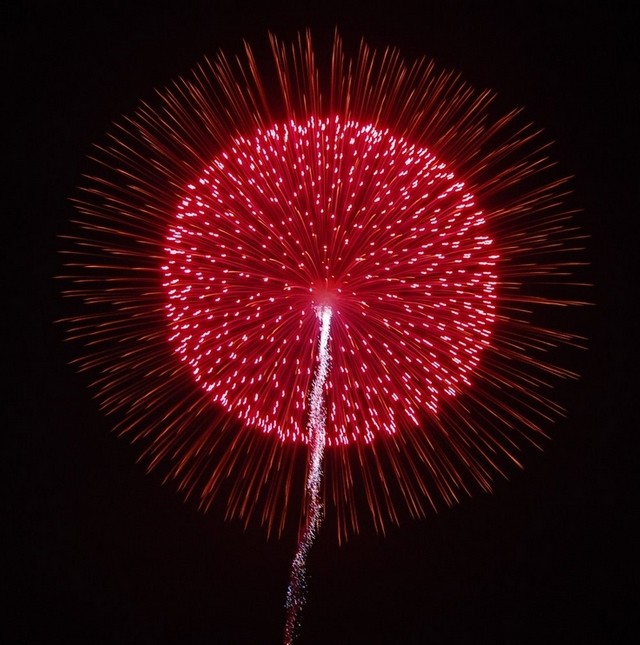
Variations of the basic formula for black powder have been used for special purposes. Sulfurless gunpowder contains saltpeter and charcoal but no sulfur. It is not as powerful as regular black powder, but it causes less corrosion (gradual wearing away) of the gun barrel. For commercial black powder used in fireworks and blasting, saltpeter sometimes is replaced by less expensive sodium nitrate.
There are several disadvantages in using black powder, including corrosion, dirt, and much smoke. But such problems have been largely eliminated by the development of smokeless gunpowders. The most important ingredient in these smokeless powders is nitrocellulose. Some smokeless powders also include nitrate salts and additives. In others, called colloided powders, the nitrocellulose is dissolved in nitroglycerin.
This formula had already been used for over 20 years and no accident has happened. Generally it is better to use very fine charcoal to get a high burning rate, the finer the better. Many fireworkers replace part of the potassium chlorate with potassium nitrate, but it is not always certain to be safe enough. To make the fire spread rapidly when the shell is ignited, the composition is pasted on to a nucleus. In general a colored flame composition consists of oxidizer, even when we use the same fuel and color-creating material…..As for the fuel, it is advisable to use material which gives no color to the flame, but such material cannot be obtained in practice.